 Uniform manufacturer · Kerala
What actually drives the cost of a corporate uniform order
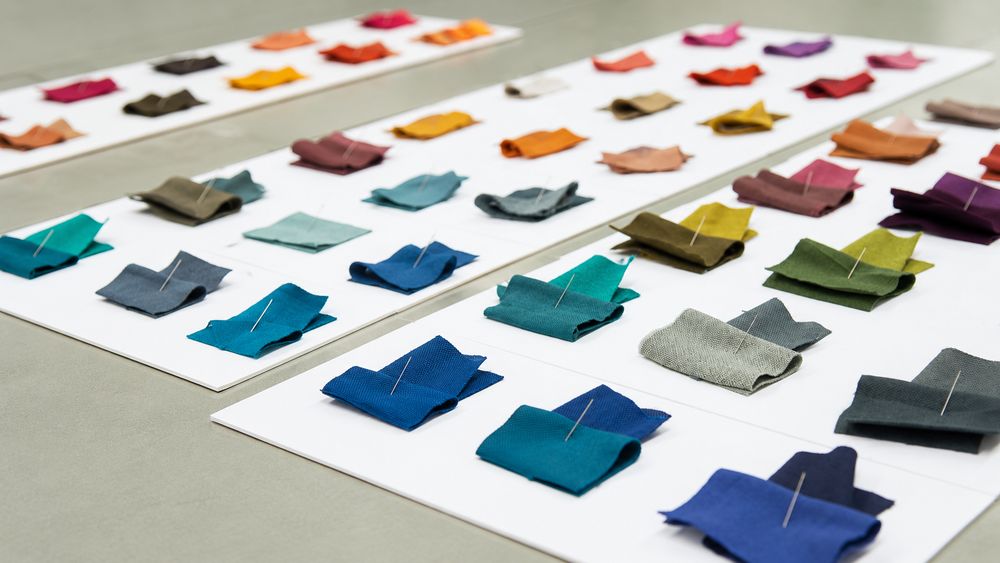
If you have collected three quotes and they are far apart, the suppliers are almost certainly not quoting the same garment. Here is what to compare.
We are not going to publish a rate card, because an honest price depends on your fabric, quantity, decoration and deadline. What we can do is explain what moves the number, so you can read a quote properly and know which questions to ask.
1. Fabric — the biggest single factor
This is where most of the gap between quotes comes from. A basic poly-cotton pique and a technical fabric with moisture management and anti-microbial finish can differ by a wide margin per metre, and neither is wrong. One suits an air-conditioned office; the other suits a factory floor.
When a quote looks unusually low, the fabric is usually where the saving was made. Ask for the GSM and the composition, not just the fabric name. Two suppliers can both say "pique" and mean quite different cloth.
2. Quantity
Cutting, marker-making and machine setup cost roughly the same whether you make 10 pieces or 200. That fixed cost is spread across the order, so per-piece prices fall as volume rises. The curve flattens fairly quickly though — the jump from 10 to 50 changes the per-piece price far more than the jump from 200 to 300.
3. Decoration method
Embroidery is priced by stitch count, so a dense logo with fine detail costs more than a simple mark, and the price per piece drops as quantity rises. DTF printing is priced by print area, which makes small runs inexpensive and very large full-front prints less so. Screen printing is cheap per piece at volume but carries a setup cost per colour, so it only makes sense above a certain quantity.
The practical point: the same logo can be cheaper or dearer depending on method, and the cheapest method is not always the one that lasts. We would rather tell you that than win the order and have the print crack.
4. Construction details
These are the items buyers rarely notice on a quote and always notice on the garment. Contrast collars and cuffs, piping, side panels, extra pockets, branded buttons, a woven main label instead of a printed one — each adds a small amount of material and a lot of labour minutes. A shirt with a contrast inner collar and piped placket is a meaningfully different garment to make than a plain one.
5. Size range
A standard adult run from S to XXL is straightforward. Add 4XL and 5XL, or made-to-measure pieces for two staff members, and those need their own patterns and more fabric per piece. Worth including if you need them — just know they are not the same cost as the rest.
6. Deadline
Our normal timeline is a sample in about 7 days and bulk in about 21. Compressing that means reordering the production floor around your job, and any supplier who says a rushed order costs the same as a planned one is either absorbing the cost or was overcharging to begin with. Give a realistic deadline early and you will get a better price.
7. Labels and packaging
Custom woven labels start at 1,000 pieces because of how weaving is set up, so on a 50-piece uniform order they are a disproportionate cost. For smaller orders a printed care label is the sensible choice, with woven labels introduced once your volumes justify them.
Where we would save, and where we would not
- Sensible savings: simplify the logo for embroidery, drop contrast trims, use a printed label instead of woven at low volume, order a realistic quantity rather than an aspirational one.
- False economies: dropping fabric weight below what the job needs, choosing polyester for hot or hazardous work, skipping the sample to save a week, buying two sets per person when the wash cycle needs three.
The cheapest uniform is the one you do not have to replace next year. Cost per wear is the number that matters, not cost per piece.
How to compare quotes properly
Ask every supplier for the same four things: fabric composition and GSM, decoration method and size of the logo, whether a sample is included, and what a reorder in twelve months would cost. Once those are on the table, the quotes usually turn out to be much closer than they first looked — and where one is still far cheaper, you will be able to see exactly why.
If you are working through any of this for your own team, message us on WhatsApp or email knitwearcapital@gmail.com. Our minimum is 10 pieces, so there is no need to wait until you have a large order.